
Disease Management
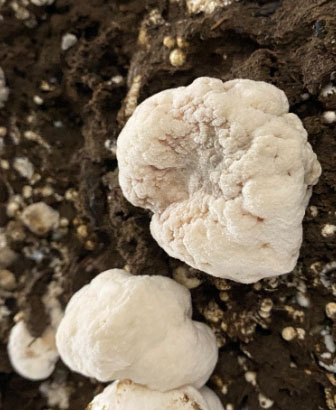
Dry bubble
Symptoms: Muddy brown, sunken spots appear on the mushroom cap along with greyish-white mould growth. Early infection produces small, onion-shaped mushrooms. In later stages, the mushrooms become dry.Control: Properly pasteurize compost and casing material, and control insect vectors like flies, mites, and nematodes. Apply Dithane Z-78 (0.2%) three times at casing.
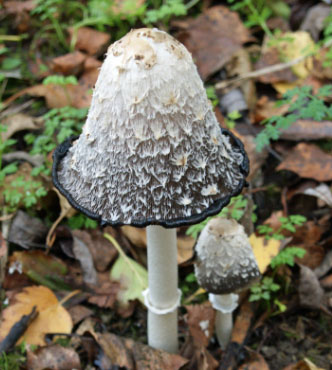
Inky cap
Symptoms: apperance of small cylindrical stalk with small thin cap and turns into black inky liquid. They appear during spawn run or in newly cased beds and manure piles. Ammonia in compost during heating promotes its growth.Control: Trays of compost should be freed from ammonia Re-pasteurization of spawn trays at 60 °C for 2 hrs and Re-spawned and re-cased.
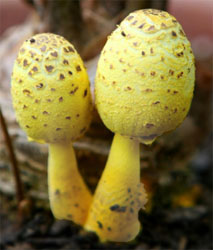
Yellow mold
Symptoms: Yellow-brown corky mycelium at the compost–casing interface with a strong metallic smell similar to carbide.Control: Yellow mold can be prevented through careful attention to maintain hygienic condition and by proper air filtration.
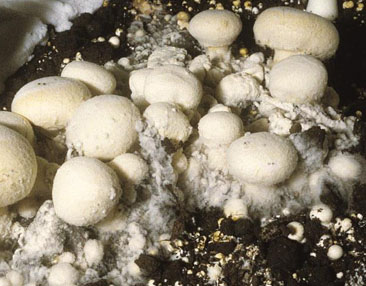
Soft Mildew
Symptoms: Small white patches appear on casing soil and spread to mushrooms as grey-white mycelium, covering and decomposing the fruit body, later turning pink.Control: Good ventilation and prevention of excess humidity in mushroom house to prevent further development of disease. Apply Dithane Z-78 (0.2%)
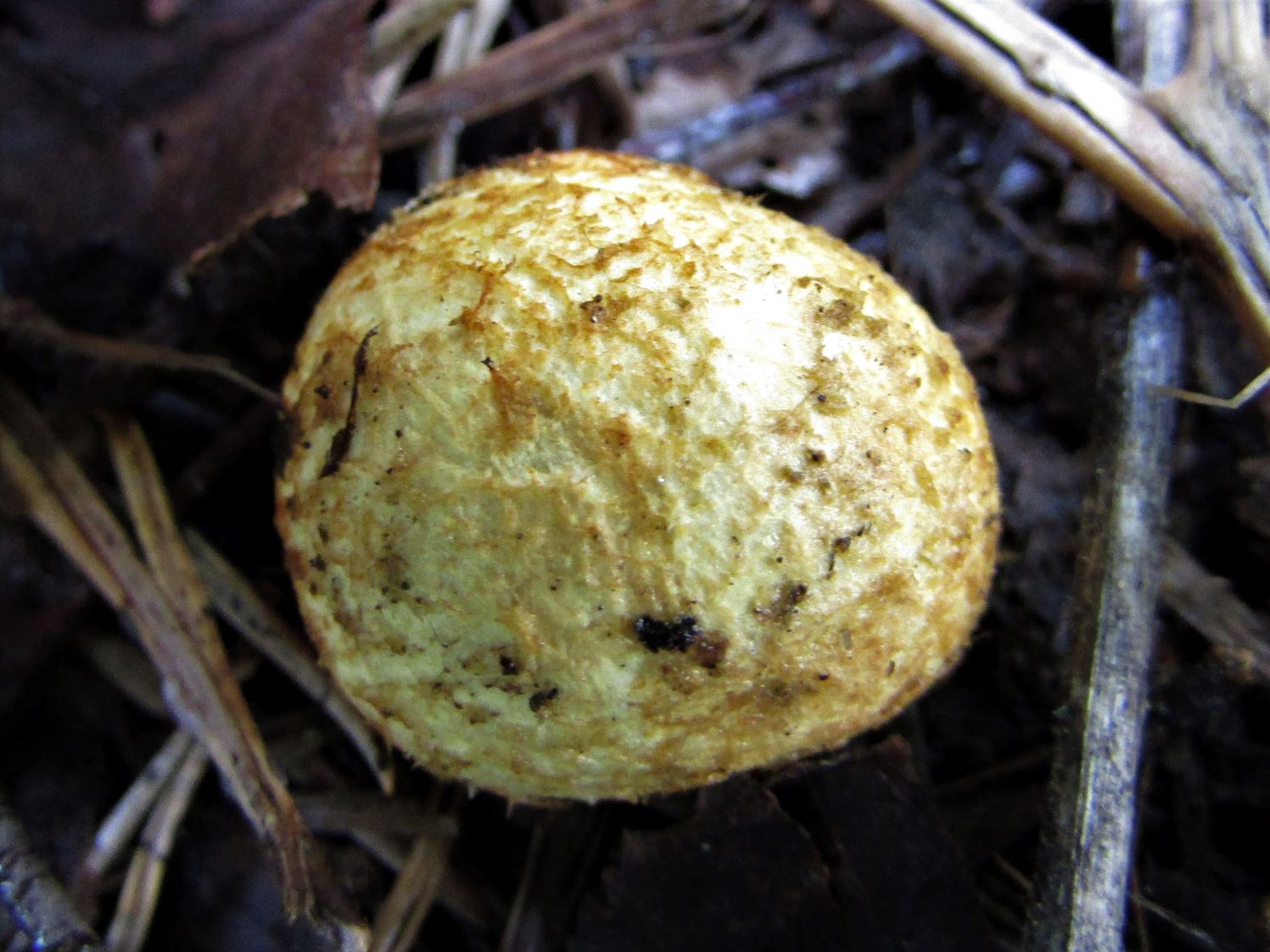
False Truffle
Symptoms: Initially white mycelium become thicker and develops into whitish, solid, wrinkled, rounded to irregular fungal masses later turning pink to reddish and finally disintegrating into a powdery mass with a chlorine-like odor.Control: Avoid high temperatures (26–27°C) after casing and during spawn run. Remove affected truffles and treat patches with 2% formaldehyde solution.
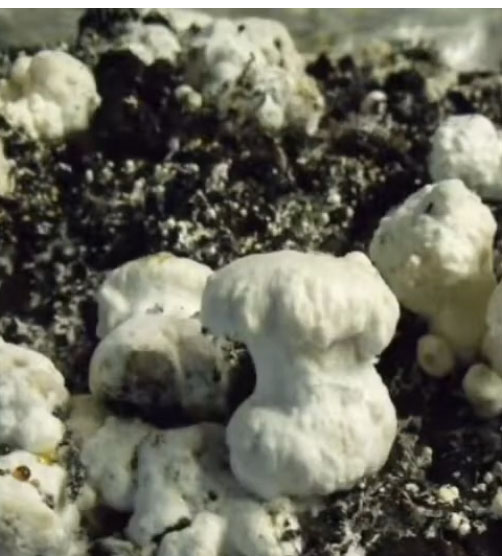
Wet bubble
Symptoms: Fungus covers the mushroom with a white mycelial mat resembling cauliflower, later turning creamy brown, with brown droplets and a foul odor developing under high humidity.Control: Control by maintaining hygiene, using sterilized casing soil, and applying fungicides like benomyl (0.5 g/m²) or 0.8% formalin spray on the casing surface.
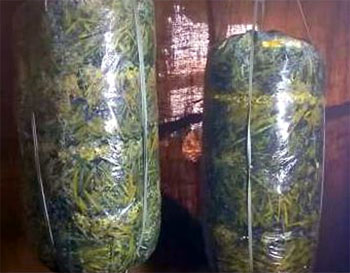
Green mould
Symptoms: On spawned and cased bags, this mould infection appears as a thick cushioned white area with greenish fungal growth that progressively changes to blue green colour.Control: Maintaining proper humidity, good hygiene, proper compost pasteurization, and using formalin (up to 2%) for disinfection. Carbendazim is effective against this disease.
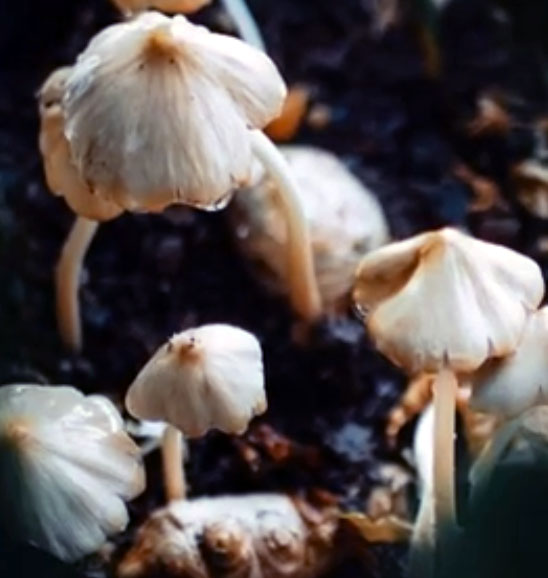
Pink mold
Symptoms: It appears as white growth on the casing soil during the early stages of contamination and then turns pink.Control: Maintain hygienic condition.
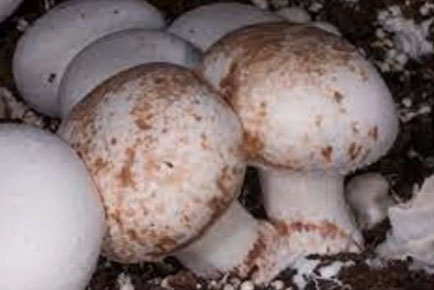
Bacterial Disease: Bacterial blotch
Symptoms: Brown spots appear on the cap, and in severe cases yellowish spots enlarge and merge into dark chocolate brown blotches.Control: Maintain sanitation, reduce humidity, and water with 150 ppm chlorine solution (Use calcium hypochlorite products).
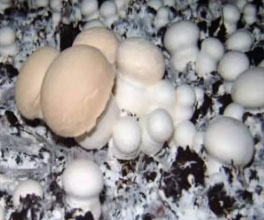
Viral Disease: Brown disease / watering stipe / X- disease or dieback disease
Symptoms: Reduction in yield. Slow and depressed growth of the mycelium isolated from the infected mushroom.Control: Prioritize strict hygiene, HEPA-filtered ventilation, and non-porous (non-wooden) surfaces. Between cycles, units must be thoroughly sterilized to eliminate old mycelium, ideally using disease-resistant strains to further minimize risk.
Pest Management
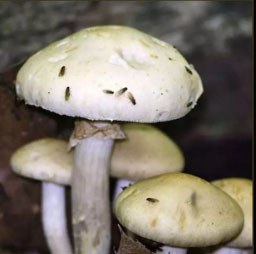
Flies
Symptoms: They lay eggs on the straw or mushroom, and the larva emerging from the damage the crop. Larva feed on the mycelium, mushroom and penetrate inside the fruiting bodies making it unfit for consumption.Control: To check entry of adult flies during the cropping period, screen the doors, windows or ventilators, if any with 30 mesh nylon or wire net. Use fly- trap or repellent in mushroom house.
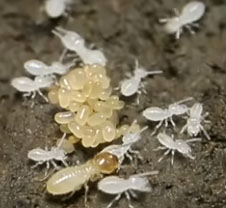
Mites & Slugs, Snails
Symptoms: Mites are tiny, thin crawling arthropods found on mushrooms. Though not highly damaging, large numbers can be troublesome. They chew parts of the mushroom, which may later get infected by bacteria and reduce crop quality.Control: Maintain a good hygiene in the mushroom house and surroundings. Spray Dicofol (1–2 ml/L) or Kelthane (10 L solution) on compost and walls regularly, remove infested material, and keep the area clean.
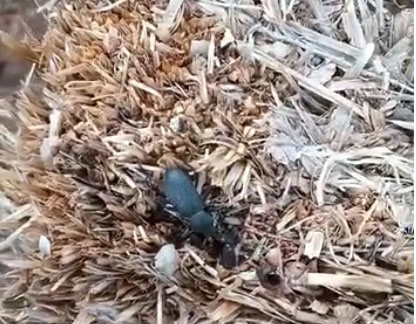
Beetle
Symptoms: Golden lines seen on the body of the insect. Both feed on young buds and grown-up mushrooms by scrapping the tissues. They mainly transmit the bacterial blotch disease from one bed to otherControl: Maintain hygienic conditions.
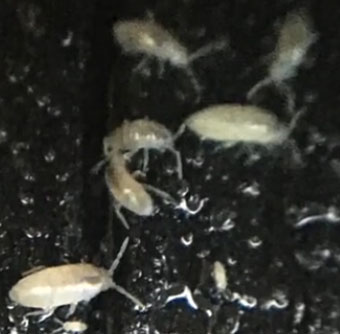
Springtails
Symptoms: They feed on mycelium in compost, causing its loss during spawn run. They also attack fruiting bodies—causing browning in button mushrooms, and damaging gills and stipe bases in oyster and shiitake.Control: Spraying 0.05% Malathion for disinfection, mixing Diazinon (30 ppm) in compost at filling, and spraying Malathion or Dichlorovos (0.025–0.05%) during spawn run and cropping.
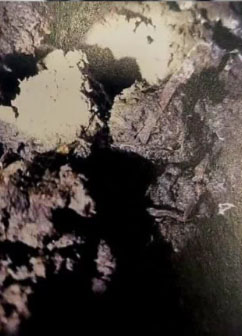
Nematode
Nematode infestation is more severe in button mushrooms. These are microscopic worms that attack mycelium. Surfaces of nematode-infested areas sink and take on an irregular appearance due to compost decomposition. Lead to poor spawn run and crop failure.Control: Maintain hygienic conditions.Heat is the most effective method to control nematodes in mushroom cultivation. Dipping used trays and tools in boiling water for 1–2 minutes completely destroys nematodes.