Mushroom Cultivation

Mushrooms are vegetables which are storehouse of excellent nutritional and medicinal components to enhance nutrition and health through daily intake. There are about 1500 varieties of mushrooms which are edible. For mushroom cultivation we need to build the infrastructure for preparation of substrate, raising of crop, preparation of spawn and post harvest handling.

Milky mushroom (Calocybe indica)

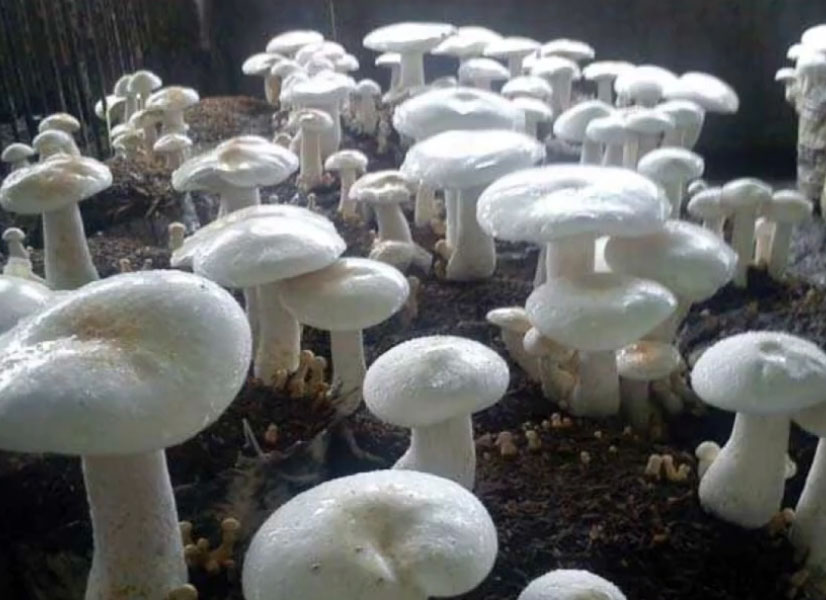
Milky mushroom (Calocybe indica) is an edible, tropical mushroom that can be easily grown indoors using pasteurized paddy straw. It requires paddy straw and casing soil as primary inputs, with other materials depending on the cultivation scale.

A 10×10×10 ft room (1000 cubic feet) can yield 100–130 kg of fresh mushrooms per crop, equivalent to 2.5–3.25 kg of protein. With 6 crops per year, the total annual production reaches 600–780 kg. The cultivation cost ranges from Rs. 10–15 per kg.

Milky mushroom are nutritious (high-quality protein, Vitamin B, and fiber), and offer good income potential. It thrives in 30–40°C, has 60–90% biological efficiency, good shelf life, and low spore content, making it safer for individuals sensitive to mushroom spores.
Elm Oyster mushroom

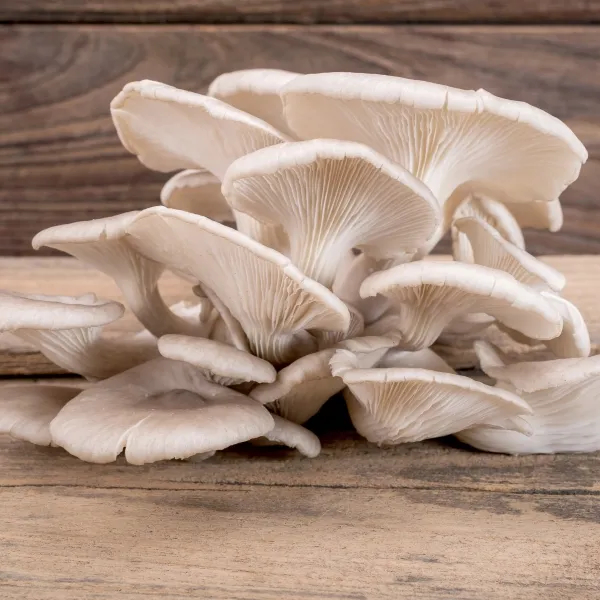
Elm oyster mushroom is an edible, high-quality mushroom that can be grown indoors using pasteurized paddy straw as the main input.

A 10×10×10 ft (1000 cubic feet) room can produce 100–130 kg of fresh mushrooms per crop, yielding 2.5–3.25 kg of protein, with 6 crops per year, resulting in 600–780 kg of annual production. The production cost is Rs. 10–15 per kg, depending on location.

It offers several benefits including nutrition enhancement, income and employment generation, bioremediation, and organic manure production. Elm oyster mushroom contains high-quality protein, Vitamin B, and provides 60–90% biological efficiency. It has low spore content, reducing the risk of respiratory allergies, and is highly recommended for stomach and intestinal ailments.

Shiitake mushroom (Lentinula edodes)

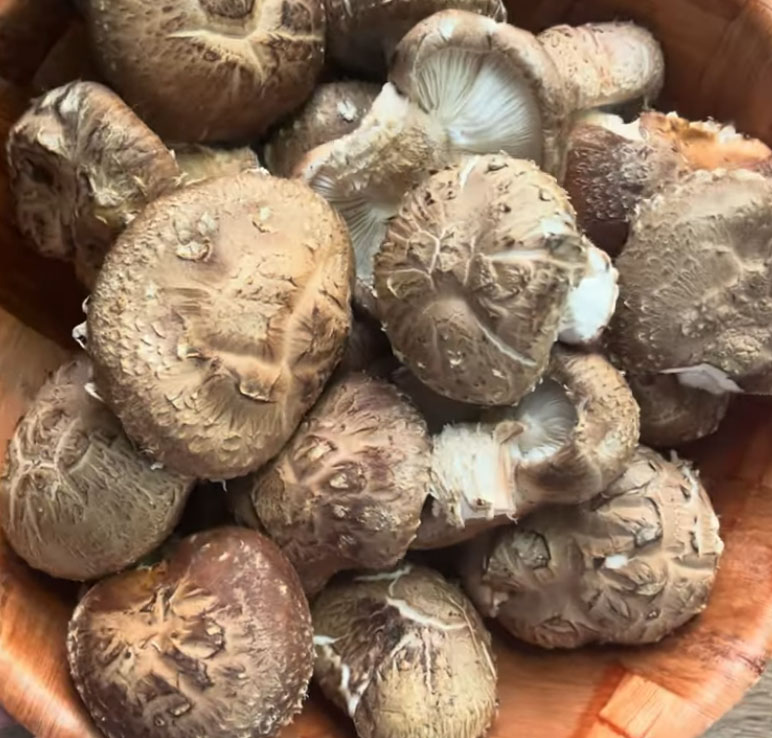
Shiitake mushroom is a highly valued edible and medicinal mushroom that can be cultivated indoors on hardwood sawdust, wood chips, and rice bran, using spawn of the selected species. Indoor cultivation allows efficient use of vertical space.

A 10×10×10 ft (1000 cubic feet) room can yield 160–200 kg of fresh mushrooms per crop, equivalent to 4.8–6.0 kg of protein. With 3 crops per year, the annual output is 480–600 kg. Production cost ranges from Rs. 10–15 per kg.

Shiitake offers benefits including nutrition enhancement, additional income, employment generation, and organic manure production. It also has excellent medicinal and export value. Rich in high-quality protein and Vitamin B, shiitake is low in fat and sugar, making it suitable for diabetics and heart patients. It contains lentinan, a compound used in cancer treatment, and helps in reducing cholesterol. Biological efficiency is 70–90%, and cultivation can be done on hardwood sawdust from trees like teak, sal, and Indian kino.

Reishi Mushroom (Ganoderma lucidum)

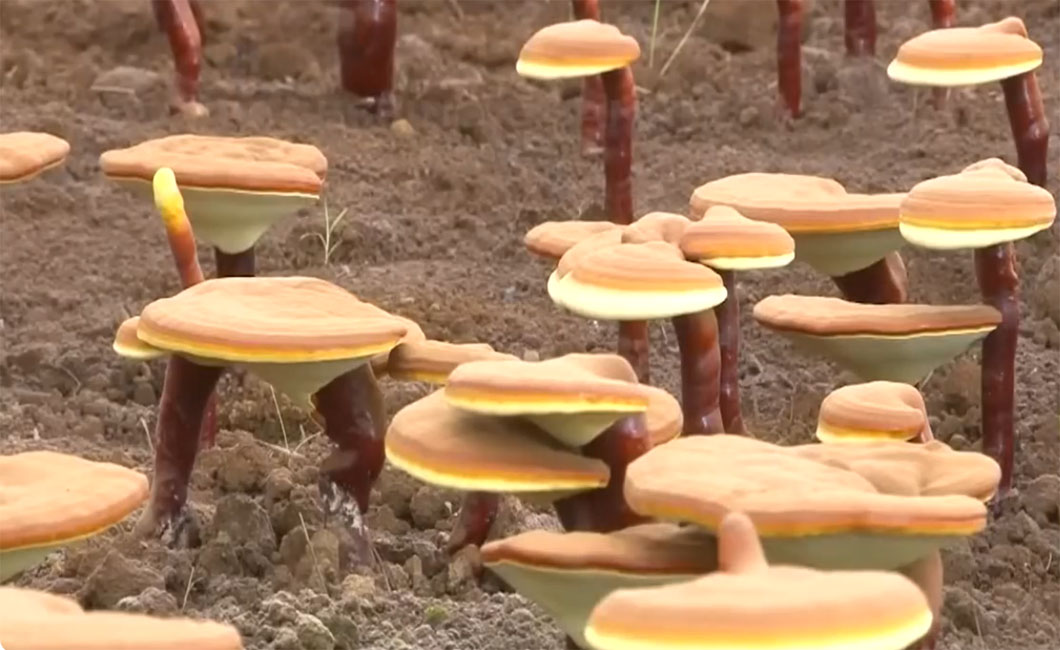
Reishi mushrooms are brown with a shiny cap and a creamy-white pore surface that darkens when bruised producing brown spores and can be cultivated on sterilized sawdust or paddy straw. The spawn-running phase requires 30–32°C for 25–30 days, followed by cropping at 30–32°C, 80–85% humidity, proper light, and ventilation. Mushrooms are harvested in 2–3 flushes, and the total cultivation cycle lasts 120–150 days, with a biological efficiency of 25–30%

Reishi is a valued medicinal mushroom traditionally used in China and Southeast Asia. It is known for its nutraceutical properties, supporting conditions such as cardiovascular disorders, hepatitis, gastritis, insomnia, asthma, bronchitis, and high cholesterol. Studies suggest it may act as a blood thinner, exhibit anti-cancer and anti-tumor effects, help lower blood glucose and blood pressure, and show effectiveness against Hepatitis B. Due to its woody texture, Reishi can be dried and stored for long periods or processed into powder. As it is a plant pathogen, the spent substrate should be burned to prevent spread to trees.